
Yes, shoveling snow is good exercise. It counts as vigorous activity, at 6 METs or higher by Harvard Health’s count. That same effort is why it can be hard on the heart.
If you have heart disease or risk factors for it, or you get chest symptoms, let someone else clear the snow. For everyone else, treat it like a workout you have to be ready for: warm up, push instead of lift, and know when to stop.
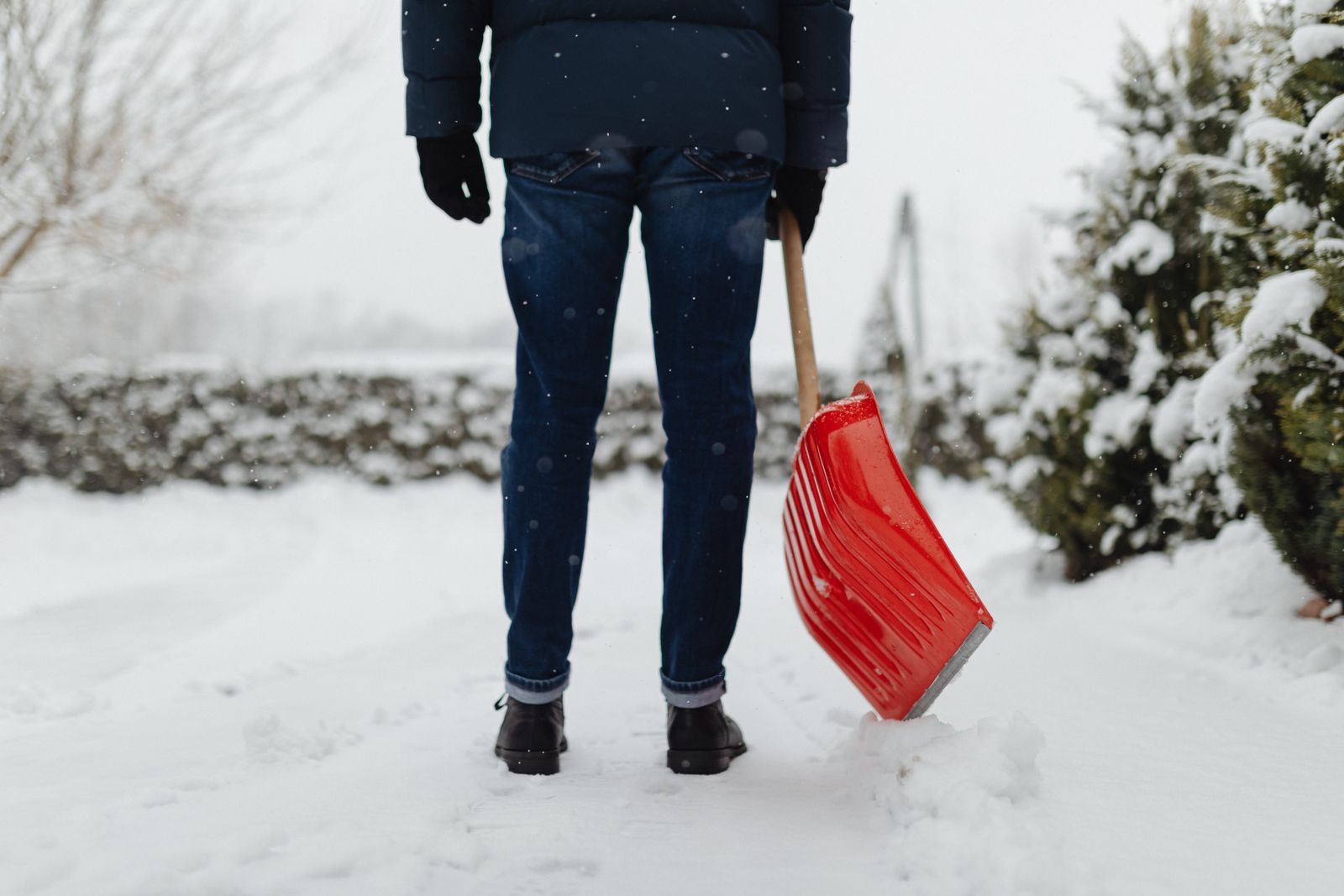
Is shoveling snow vigorous exercise?
Shoveling is mostly arm work done in heavy bursts, and arm work is more taxing on the heart than leg work, the American Heart Association says. In the research it cites, heart rates passed 85 percent of maximum after only two minutes. Heavy shoveling may be as hard on the heart as a treadmill stress test, or harder.
The calories are real too. Harvard’s calorie chart puts 30 minutes of shoveling by hand at about 180 to 252 calories for people from 125 to 185 pounds. Walking at 3.5 miles an hour burns 107 to 159 in the same time, so the shovel comes out well ahead.
So a hard session can count toward your week. The federal activity guideline asks adults for 150 minutes of moderate activity or 75 of vigorous.
It is a lopsided workout, though. The snow picks the weight of every scoop. Cold air also narrows blood vessels and raises blood pressure, which is a poor mix for a heart that is already working hard.
Who should not shovel snow
The AHA’s line is plain: if you have known or suspected heart disease, or risk factors for it, get someone else to do it. Those risk factors include high blood pressure, diabetes, high cholesterol, obesity, smoking now or in the past, and an inactive life.
People who have had a heart attack, stroke, bypass surgery or angioplasty should not shovel snow in any conditions.
Age alone is not the cutoff. Cleveland Clinic says fit, active adults in their 50s and beyond can dig out after a heavy snow. An older heart, though, is more at risk of a sudden heart attack.
If you’re past 50, or you worry about a parent who is, start with a checkup before the first storm. A blood pressure check is among the screenings most plans cover at no cost.
Fitness counts too. The impact is hardest on people who are least fit. If most of your week is spent sitting, take the first storm of the winter slowly.
Stop right away for chest pain or pressure, lightheadedness, or a racing or irregular heartbeat. If the symptoms don’t ease soon after you stop, call 911.
How to shovel snow safely
I treat a snow morning as a workout day. The squats I do while the coffee brews turn into a warm-up, and the shovel waits until I’ve moved for a few minutes. Cleveland Clinic makes the same case, since light movement first prepares your heart and body for the work.
Then push, don’t lift. Pushing snow to the side puts less strain on your body and heart than lifting and throwing it. When you do have to lift, Mayo Clinic suggests filling a large shovel only a quarter to half full.
Clear it in two passes. Take the top layer soon after the snow stops, while it is still light. Come back for the rest later, because deep snow should never come off all at once.
Pace it like intervals, and go inside when you start to tire. Wear layers you can shed and cover your mouth and nose. Put traction on your boots too, since slips and falls are a common way people get hurt clearing snow.
On a bad week, when time or energy is short, clear one lane to the car and the front steps. Stop there unless you still feel fine. That path is the part you actually need, and the rest can wait for a better day.
The same goes for the folding shovel I keep behind the back seat with a winter car emergency kit. If the car is ever snowed in away from home, it gets short bursts and real breaks.
A snow blower is lighter work. Research puts heart rates at about 120 with a blower and about 170 with a shovel. It is still work, and even a heavy blower can be taxing, so the same warning signs apply.
If you have heart risk, the better call is a neighbor’s kid or a paid service. After a heavy snowfall, Harvard Health’s advice is to play it safe and hire a professional.
Frequently asked questions about shoveling snow
Is shoveling snow good cardio?
Yes, and hard cardio at that, since it sits in the vigorous range. It suits people who already exercise better than people starting from the couch, so keep the bursts short with rests between. Skip it if a doctor has told you to avoid hard exertion.
How many calories does shoveling snow burn?
Harvard’s chart lists about 180 to 252 calories per half hour of shoveling by hand, for people from 125 to 185 pounds. Treat it as a rough guide. Heavy, wet snow and a long driveway change the work.
What age should you stop shoveling snow?
There is no set age, because heart health and fitness matter more than the birthday. Heart disease, a past heart attack or stroke, or chest symptoms mean it is time to hand it off. If you’re older and out of the exercise habit, ask your doctor before the first storm.
Can shoveling snow cause lower back pain?
It can. Cleveland Clinic’s emergency doctors see back injuries from the strain, especially with heavy snow. Bend at the knees, keep each scoop small and close to your body, and don’t twist to throw it.
This article is for general information only and is not medical advice.