
Free preventive care isn’t a myth. It’s federal law. The Affordable Care Act requires most non-grandfathered health plans to cover specific preventive services with zero cost-sharing, meaning no copay, no coinsurance, no deductible applied.
This only works if you know what to ask for. Insurance rarely advertises these benefits clearly. Doctors sometimes forget to code visits correctly, which can trigger an unexpected bill.
Treat this list like a checklist, not trivia. Bring it to your next appointment. Ask your provider to confirm each screening is billed as preventive, not diagnostic, since that single coding distinction determines whether you pay anything at all.
Coverage details still vary by plan, provider network, and your specific age or risk factors. Confirm your own plan’s terms before assuming every item below applies to you exactly as written. Grandfathered plans, which existed before the ACA and haven’t changed significantly since, aren’t required to follow these rules, so check your plan type first. Use this guide as your starting point, then verify the specifics directly with your insurer.
1. Blood Pressure Screening
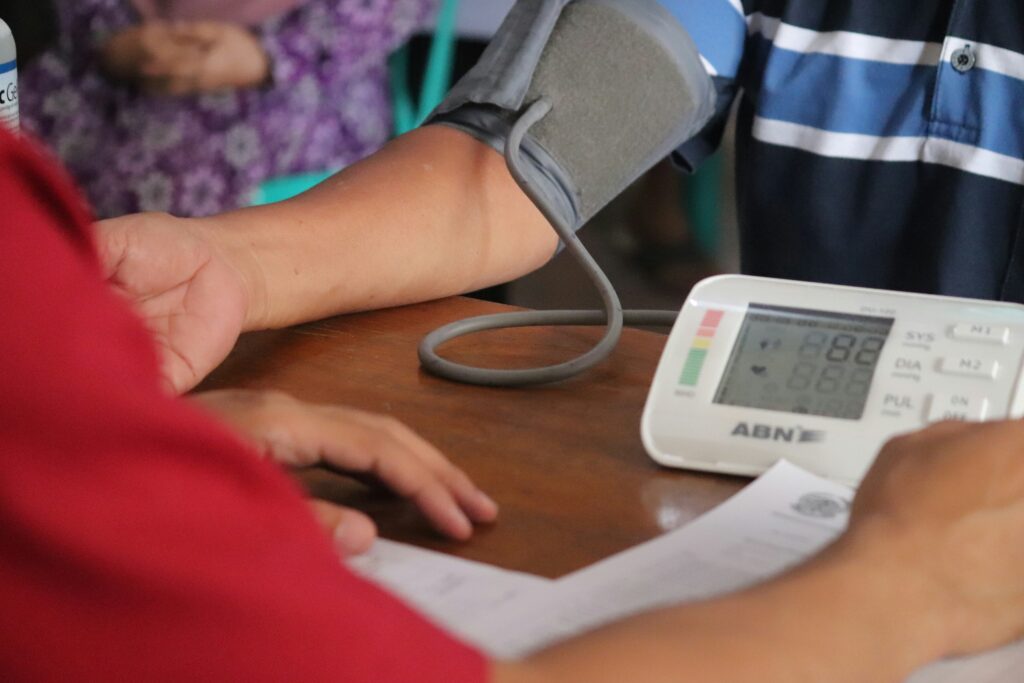
Get your blood pressure checked at every routine visit. This screening applies to virtually all adults, regardless of age or risk factors. It’s one of the simplest, most universally covered services on this list.
Don’t wait for a symptom to prompt this check. High blood pressure often produces no warning signs at all. Regular screening catches it long before damage accumulates.
Ask your provider to log this as a preventive service specifically. A five-minute check shouldn’t generate a bill. If it does, request a coding review before paying anything.
2. Cholesterol Screening

Request a cholesterol panel starting in your twenties. Frequency increases with age and personal risk factors like family history or smoking status. Most plans cover this at set intervals with zero cost-sharing.
This test requires a simple blood draw, nothing more. Fasting requirements vary by provider, so confirm instructions beforehand. Skipping this step won’t cost you coverage, but it may affect result accuracy.
Track your numbers year over year. A single reading tells you less than a trend does. Bring prior results to each new appointment for comparison.
3. Blood Sugar and Diabetes Screening

Get screened for diabetes starting around age 35, sooner with risk factors. Overweight adults and those with a family history often qualify earlier. This screening is fully covered under most ACA-compliant plans.
Untreated prediabetes frequently progresses silently for years. Early detection allows lifestyle changes before medication becomes necessary. This makes the screening disproportionately valuable relative to its cost.
Ask specifically for a fasting glucose or A1C test. Confirm with your insurer that the visit is coded as preventive. This single distinction determines whether you owe anything afterward.
4. Colorectal Cancer Screening

Start colorectal cancer screening at age 45. This applies to average-risk adults with no prior history of the disease. Options include colonoscopy, stool-based tests, and other approved methods, all covered without cost-sharing.
Choose the method that fits your comfort level and lifestyle. A colonoscopy every ten years suits some patients better. An annual stool-based test suits others who prefer to avoid the procedure.
Watch for a billing exception here. If a screening colonoscopy finds and removes a polyp, some plans historically tried to bill it as diagnostic. Current rules generally prohibit this, so push back if it happens.
Ask about prep costs separately, since these sometimes fall outside the no-cost mandate depending on your plan. This is a narrow exception worth confirming in advance. A quick call to your insurer before scheduling avoids any surprise.
5. Mammograms for Breast Cancer Screening

Schedule a mammogram starting at age 40. Most plans cover this every one to two years without cost-sharing through age 74. This applies regardless of family history or personal risk level.
Higher-risk patients may qualify for additional imaging. Genetic counseling and testing are covered for those who meet specific risk criteria. Ask your provider directly whether you meet that threshold.
Confirm your facility bills the screening as preventive, not diagnostic. This distinction matters even more here than elsewhere. A miscoded mammogram can generate a substantial, avoidable bill.
Recent updates also require coverage of additional imaging following an inconclusive initial mammogram, without extra cost-sharing in many cases. This is a newer protection, so don’t assume your provider automatically knows about it. Ask directly if a follow-up scan is recommended.
6. Cervical Cancer Screening

Begin cervical cancer screening at age 21. Pap tests, HPV tests, or a combination apply depending on your age and prior results. Most plans cover this at set intervals with zero cost-sharing.
Screening intervals extend as you age, provided prior results were normal. Ask your provider what interval applies to your specific history. Don’t assume annual screening is still required by default.
This screening typically happens during a well-woman visit. Confirm the entire visit is billed as preventive, not just the test itself. Office visit fees can otherwise slip through as a separate charge.
7. Lung Cancer Screening

Ask about a low-dose CT scan if you have a significant smoking history. Current guidelines generally cover adults aged 50 to 80 with a substantial pack-year history who currently smoke or quit within the past 15 years. This screening is fully covered under most plans meeting that criteria.
This is a newer addition to the preventive services list. Many eligible patients still don’t know it exists. Bring it up directly if you meet the risk profile, since providers don’t always raise it first.
Annual screening is standard once you qualify. Confirm your specific eligibility with your provider before assuming coverage applies. Risk criteria are specific and worth double-checking.
8. Bone Density Screening

Schedule a bone density scan starting at age 65 if you’re a woman. Younger postmenopausal women with risk factors may qualify earlier. Most plans cover this screening without cost-sharing at appropriate intervals.
Osteoporosis often goes undetected until a fracture occurs. This screening catches bone loss well before that point. Early intervention meaningfully reduces fracture risk down the line.
Ask your provider whether you meet early-screening criteria if you’re younger than 65. Specific risk factors can move up your eligibility. Don’t assume you need to wait if red flags already apply.
9. Depression Screening

Request a depression screening at your annual physical. This applies to all adults, regardless of prior mental health history. Most plans cover this screening without any cost-sharing whatsoever.
This screening usually takes the form of a brief questionnaire. It adds minimal time to a standard visit. Don’t skip it out of a sense that it’s unnecessary paperwork.
Follow-up care may involve additional cost-sharing depending on what’s needed next. The initial screening itself remains free regardless of outcome. Ask your provider to clarify this distinction if a referral follows.
10. HIV Screening

Get tested for HIV at least once between ages 15 and 65. Higher-risk individuals should test more frequently, regardless of age. This screening is covered without cost-sharing for essentially all adults in that range.
Routine testing doesn’t require reporting specific risk factors beforehand. You can request this screening as part of any routine visit. Providers are generally required to offer it proactively during this age range.
Confirm the test is billed as a routine preventive screening. This keeps the cost at zero regardless of the result. A positive result doesn’t retroactively change how the screening itself is billed.
PrEP counseling and related preventive medications may also qualify for zero cost-sharing for eligible patients. Ask your provider whether this applies to your situation. It’s a separate benefit worth raising in the same conversation.