
A winter car emergency kit checklist comes down to nine things in one bin: a charged phone and car charger, blankets and warm layers, a flashlight, a small shovel, an ice scraper, sand or cat litter, jumper cables, water and snacks, and a first aid kit. Add tire chains if you drive to mountain snow. Then split the kit, because a few of those items can’t sit in a freezing trunk, and they only help if they ride out to the car with you. Everything else is optional.
What goes in the bin, and what stays out of it
The reason to carry any of it is that you may be stranded. The National Weather Service tells drivers to carry a winter storm survival kit and to leave with a fully charged phone, a car charger and emergency supplies, and the Ready.gov vehicle kit exists for the same reason. If you’re stuck for hours, the kit is your heat, your light and your way to call for help. The lists from Ready.gov, the NWS and AAA overlap on nearly all of the must-haves, so there isn’t much to argue about.
Start with the phone, because it’s how you tell someone where you are. That means a charger and a charged power bank. Next come blankets and warm layers, and wool or fleece beats cotton here, since it feels warmer once it gets damp. The flashlight should have spare batteries and shouldn’t depend on your phone, which you’ll want to save.
Then there are the things that get the car moving again. An ice scraper with a brush clears every window before you drive, the whole pane and no peephole. A small shovel, even a collapsible one, is the item people forget until they need it. Sand or cat litter goes under a spinning tire for traction, and a bag of cheap litter does the job and fits behind a seat. AAA calls a dead battery a leading cause of roadside trouble, so jumper cables are on every list, but my pick is a self-contained jump starter, because it works without a second car.
Water and non-perishable food round it out: nuts, jerky and dried fruit keep well. A first aid kit should include any medicines you take every day, swapped out when they expire. Reflective triangles or flares help other drivers see you on a dark road.
If there’s room left, a few small comforts are worth it. Gloves and a hat go first, since they weigh almost nothing and make a long wait far easier to bear. After that, a heat-reflective emergency blanket, a printed contact list, a few hand warmers and a high-visibility vest in case you ever have to step out near traffic.
That’s the whole kit. Every list online gets padded beyond it, but a short list of good items beats a big bag of weak ones. I wouldn’t bother with candles. The NWS list includes them, along with a tin can for melting snow, but a flame in a small closed car is more worry than warmth to me, and a blanket does the job. The same list includes coins for a payphone, which is a fossil. Your phone and charger take its place.
The giant 100-piece roadside kit is money spent on tiny tools you’ll never use. A tow rope is a skip for most people too, since it needs a second vehicle and some skill. A small ready-made kit does suit a first winter of mountain trips, when you want something in the trunk this weekend. But if you already own blankets, a flashlight and jumper cables, the box mostly duplicates what you have.
Here’s the printable version. Copy it into a note on your phone or tape it inside the trunk lid.
- Charged phone, car charger and power bank
- Blankets or sleeping bag, dry extra clothes, gloves and hat
- Flashlight with fresh batteries
- Ice scraper with brush
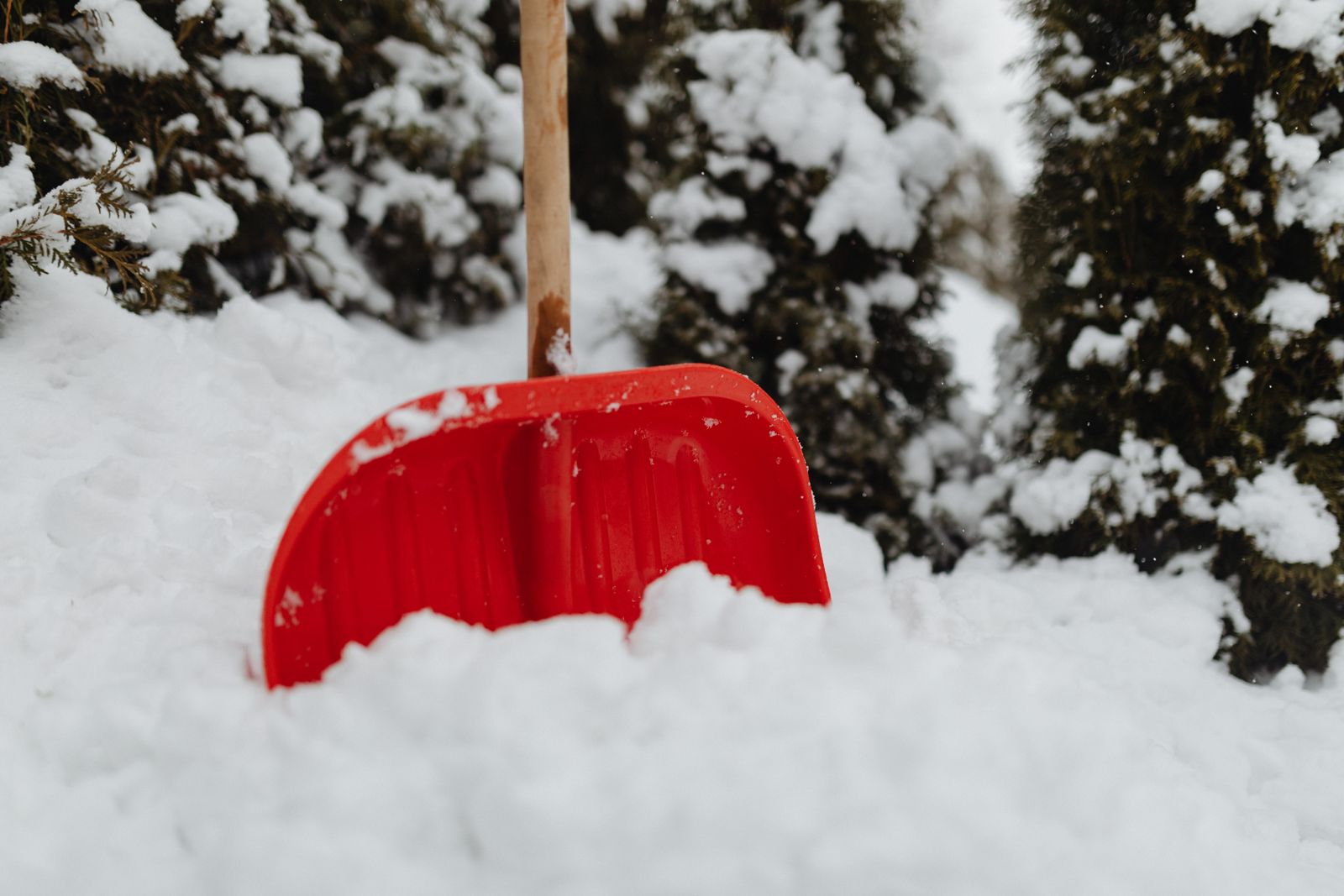
- Small collapsible shovel
- Sand or cat litter, or traction mats
- Jumper cables or jump starter
- Water and high-calorie snacks
- First aid kit and daily medicines
- Reflective triangles or flares, high-visibility vest
- Bright cloth to tie to the antenna or door
- Printed paper map and contact list
- Mountain trips: chains that fit your tires, plus extra water and food
- EV and hybrid: charged battery, plan for charging stops, hand warmers
Count it as done when everything fits in one bin you can lift with one hand.
Which parts shouldn’t live in the trunk?
This is the line in AAA’s advice that changes how the kit works. AAA suggests splitting the kit in two, because some items can’t take freezing temperatures: electronics, medicines and bottled drinks. Those stay indoors between trips. So the power bank and the first aid medicines belong by the door with your keys, where they’ll go in the car when you head out, and the water needs checking each time, since it can freeze.
I know how this goes wrong, because I keep an earthquake kit in the hall closet and I’m usually a few months late rotating the water and the batteries. A kit only helps if it’s where you can grab it and the things in it still work. So refresh the car kit twice a year, on two dates you’ll remember, such as when the clocks change. Swap the batteries, check the water, replace expired medicine and put the snacks back in date. Do the same before any mountain trip.
The trunk half is simpler. Use a single bin with a lid, and put the heavy shovel and the chains at the bottom where they won’t slide. Keep the flashlight and a blanket on top, because if you ever need the kit you’ll be reaching for it with cold hands.
Chains, even with all-wheel drive
Southern California makes all of this easy to ignore. We drive in sunshine for months, then head up a mountain road where conditions change in a few miles, and that’s the trip where California gets specific. Caltrans runs three levels of chain controls. Under R-1, chains are required except for passenger vehicles and light trucks under 6,000 pounds that have snow tires on at least two drive wheels, and those must still carry chains. Under R-2, chains or traction devices are required except for four-wheel or all-wheel drive vehicles with snow-tread tires on all four wheels. R-3 requires chains or traction devices on all vehicles, no exceptions.
Read the R-2 exception again, though, because it’s narrower than it sounds. The same page adds that four-wheel and all-wheel drive vehicles must carry traction devices in chain control areas. So all-wheel drive is no reason to leave chains at home, even in the best SUV for snow and ice. Snow-tread tires, for the record, are the ones marked “M+S”, “M/S”, “MS” or “Mud and Snow” on the sidewall.
Chains are sized to the tire, so if you’re still choosing between winter tires vs all-season vs all-weather, settle that first and buy the chains to match, before the trip. Then try putting them on in the driveway on a dry day, because doing it for the first time on a shoulder in sleet is miserable. Mountain trips also call for a bright cloth to mark the car and extra water and food, and for planning on a longer delay than you think you’ll need. A tow strap belongs in the bin only if you know how to use it.
A full tank is part of the kit
It’s the one item that costs nothing extra. NHTSA says to keep the tank close to full whenever possible, and Ready.gov adds that a full tank keeps the fuel line from freezing. Check your tires while you’re at it: tread should be at least 2/32 of an inch on every tire, by NHTSA’s guidance.
An electric car changes that advice but doesn’t cancel it. At 20°F with the heater running, an EV can lose about 41 percent of its range, according to the federal cold-weather fuel economy page, and most of that extra energy goes to heating the cabin. So the EV version of a full tank is a high battery before a mountain run, with charging stops planned with room to spare. Preheating the cabin while the car is still plugged in can extend range, the same page says. Seat warmers use less energy than the cabin heater, which makes a lap blanket and heated seats a good pair. Hybrids and plug-in hybrids get the same advice: a full tank or charge, and the blankets.
If you get stuck, stay with the car
The National Weather Service gives one rule first: stay in the vehicle. Leave, and you can become disoriented quickly in wind-driven snow and cold. The same goes for shoveling: stay with the car and don’t overexert yourself, as NHTSA puts it.
- Call for help first, and tell them your location.
- Tie a bright cloth, preferably red, to the antenna or door. After the snow stops, raise the hood to show that you need help.
- The NWS says to run the motor about 10 minutes each hour for heat. At night, turn on the dome light while the engine runs.
- Keep the tailpipe clear. The CDC calls carbon monoxide an odorless, colorless, deadly gas that can build up quickly inside your vehicle, and a blocked tailpipe can poison anyone inside.
- While the motor runs, open a window a little for fresh air, as the NWS advises.
For an EV, the engine advice does not apply in the same way. Check your owner’s manual for how your car handles heat while parked, and keep the blankets close.
Frequently asked questions about a winter car emergency kit
How much does a winter car emergency kit cost?
It depends on what you already own. Most of the list is blankets, snacks and gloves from around the house, so build most of it yourself and only buy the shovel, scraper and chains. Prices for ready-made kits swing by brand and season, so check current listings.
Do I need a winter emergency kit in a warm climate?
Yes, if you ever drive to the mountains or through a storm. A weekend drive from Los Angeles can put you on a snowy mountain road, and chains may be required. Keep a lighter kit all year and add the mountain items in the cold months.
Should I run the engine to stay warm?
The usual guidance is about 10 minutes each hour, with a window cracked and the tailpipe clear of snow. A phone timer helps you keep to that. Don’t run it constantly, since you will want fuel for later.
Is a bought kit better than building my own?
A ready-made kit is a fine start, but add your own warm layers, water and a power bank. Check what is actually in the box against the list above, and skip anything you will not use.
This article is general information about safety, not professional advice. Follow local officials and road-condition updates.