Do the used car buying checklist in this order: read the Buyers Guide and title, run the VIN for recalls and title history, test drive the car cold, pay an independent mechanic to inspect it, then negotiate. Skip dealer add-ons and extended-warranty pitches until the car passes all of that.
Published November 14, 2026.
Raising three kids in Phoenix meant a long line of family cars, minivans and pickups through our driveway. What stuck with me is that the order matters more than any single item. People spend an hour on the test drive and ten minutes on the paperwork, and the paperwork is where a bad car usually gives itself away. A car that fails on paper never earns a test drive.
Phoenix adds its own list. Summers here find every weak battery, tired coolant hose and old tire in town. I have long made a habit of checking those three before I even sit in the car. Hauling ATVs out to the desert on a trailer taught me that, because a car that is fine in a parking lot gets a very different workout on a hot grade with a load behind it.
What to do first, and what to skip
Here is the whole plan on one screen. It is best for buying from a dealer, and most of it carries over to a private sale. Skip it if you are buying or leasing brand new, because the history and inspection steps are built for a car that has already lived a life. The left column is the order I would follow. The right column is the sign that a car is not worth another minute of your day.
| Step | What you are checking | Skip it if |
|---|---|---|
| 1. Paperwork | Buyers Guide on the window, title in the seller’s name, VIN matches everywhere | You cannot see the title or the seller will not show it |
| 2. VIN lookups | Open recalls, title brands, last odometer reading | The VIN on the car and the VIN on the paper differ |
| 3. Cold test drive | Starts, brakes, A/C, noises, warning lights | The seller has already warmed the engine up for you |
| 4. Independent inspection | A mechanic you picked, with a written estimate | The seller refuses an outside inspection |
| 5. Price | Out-the-door total in writing, compared with the inspection list | You are being pushed to decide today |
What I would skip, or at least delay: the dealer’s own “certified” talk as a substitute for an inspection, optional add-ons, and the monthly payment conversation. Those are all real parts of a purchase. None of them tells you whether the car is any good.
Used car buying checklist: paperwork first
Start with the window. The FTC says dealers have to display a Buyers Guide in every used car they offer for sale. They also have to give it to you after the sale. The guide shows whether the car is sold as is or with a warranty, and what share of repair costs the dealer will pay if there is one. Maine and Wisconsin use their own versions.
Two details on that sheet trip people up. The Buyers Guide overrides conflicting contract language, so if the guide shows a warranty and the contract says as is, the guide wins. And promises that are not written down are hard to enforce. If the salesperson says they will fix the dash light or take the car back, ask for it on the Buyers Guide in writing.
Then the title. Whoever is selling should be the name on it, and the VIN on the title should match the number on the car. Walk around to the lower left of the windshield and read the 17-character VIN, then check it against the title and the registration card. I like doing it in the open, in daylight, before any test drive.
One caution on scope. That federal guidance covers buying from a dealer. A private seller has no Buyers Guide. Your paper trail is the title, a bill of sale and whatever service records the owner hands over. I would ask for those first and meet somewhere public.
Check recalls and vehicle history by VIN
Recalls are free to look up and, for an open one, free to fix. Enter the VIN at NHTSA.gov/Recalls, or search by license plate, and it shows any unrepaired safety recalls. NHTSA says manufacturers must fix a recalled problem by repairing it, replacing it or offering a refund. A dealership will fix the recalled part for free. It also suggests checking twice a year, so I check on the day I buy and again a few months later.
An open recall does not have to kill a deal. I would simply ask whether the repair has been scheduled. With an open recall on brakes, steering or airbags, I would not drive off the lot without a written plan to get it done.
For title history, the Justice Department’s National Motor Vehicle Title Information System is a federal title database that approved providers sell reports from. It can show the current title, brand history such as junk, salvage or flood, the latest odometer reading and whether an insurer declared the car a total loss. The report is intentionally concise, covering five key indicators aimed at fraud and theft. Not every state reports, so a clean report can still miss something. Report prices are not listed on the site, so compare a few providers and ask what is included before you pay.
The FTC adds the point that matters most here: a history report can show accidents and flood damage but usually not mechanical problems. Treat it as a way to rule cars out. A clean one never proves a car is good.
Used car test drive checklist
Ask the seller not to start the car before you arrive. A cold engine is where hard starts, ticking, rough idle and smoke tend to show up, and a warm one can hide a lot of it. If the hood is already hot to the touch, I would ask myself why.
- Turn the key to on before starting. The warning lights should come on, then go out after the engine starts. A light that never comes on is worth a question.
- Run the A/C on full cold and then on heat, and work every window, lock, mirror and seat control. Small electrical faults add up.
- Drive at least one stretch at highway speed and one in a parking lot with full-lock turns, listening for clicks, whines and clunks.
- Brake firmly from a safe speed on an empty road. The car should stop straight, with no pulling and no shudder in the pedal.
- On level ground, let go of the wheel for a second on a quiet road. A steady drift to one side can mean tires, alignment or something bent.
- Park, shut it off for a few minutes, and look under the car for fresh drips.
Bring someone along. A second person watches the dash and listens while you drive, and it is also simply safer if you are meeting a private seller.
Desert-heat checks I make before I buy
This part is my home-region habit. Phoenix is hard on cars in ways that a cooler-climate car history will not show. A used car that spent years here, or is about to, gets a closer look from me at four spots.
- Battery. Find the date sticker or stamp on the battery. One that has already been through several summers is the first thing I would plan to replace. Look for white or blue crust on the terminals and a bulging case.
- Coolant. With the engine cold, check the reservoir level and the color. Look at the radiator hoses and the clamps for crust, stains or a soft, swollen feel. Ask when the coolant was last changed.
- Tires. Read the last four digits of the DOT code on the sidewall; NHTSA says they give the week and year the tire was made, and that sun and a warm climate add to tire aging. So I look for fine cracks in the sidewall even when the tread looks deep. Check both sides, since the code may be on only one.
- Sun damage. Hazy headlight lenses, a cracked or sticky dashboard, faded paint on the roof and hood, and brittle door and window rubber all tell you how the car lived. A dash cover or a shaded carport in the seller’s photos is a good sign.
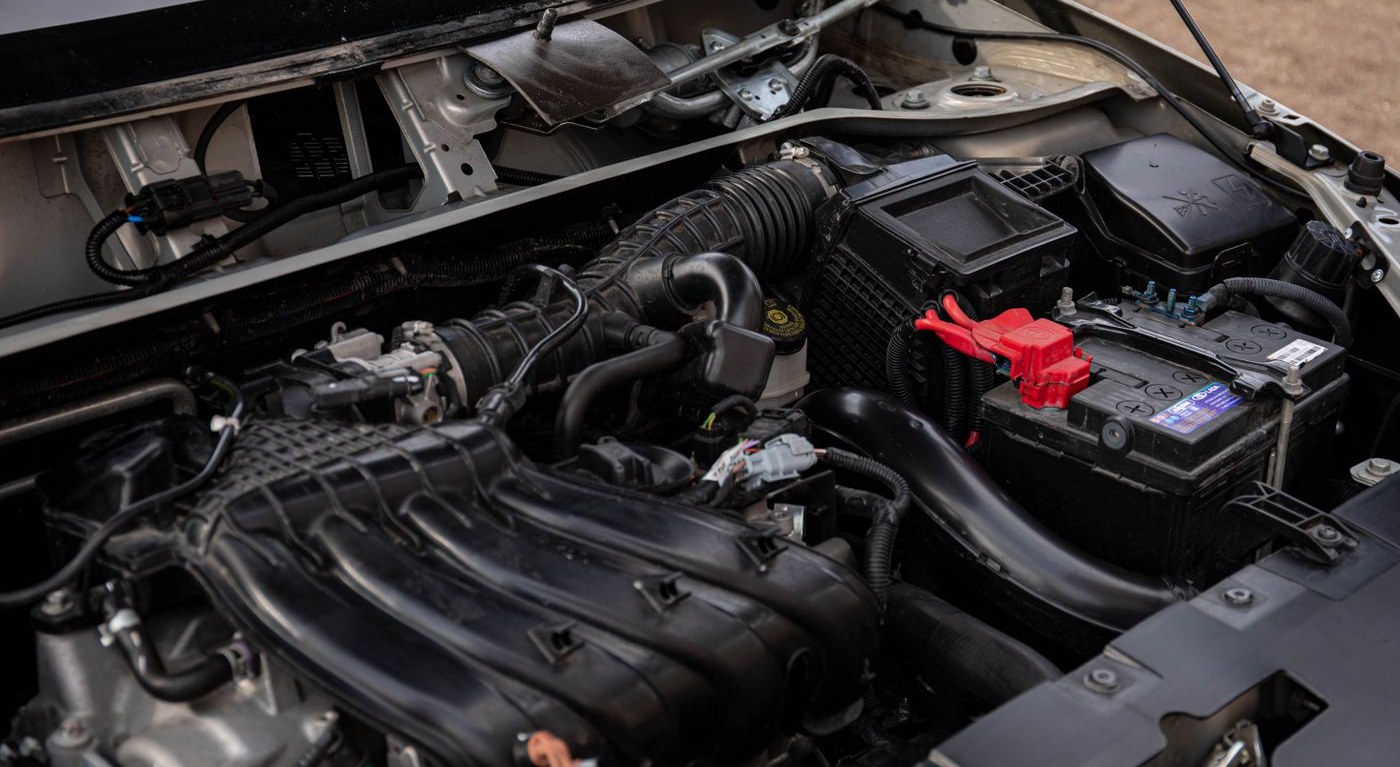
None of this takes more than ten minutes, and none of it needs tools. It will not replace a mechanic. It will tell you whether to bother paying one.
Used car inspection checklist: let a mechanic have the car
This is the step I would never skip. The FTC says to pay an independent mechanic for a mechanical inspection even if the dealer certified the car or it comes with a warranty or service contract. A mechanical inspection is also different from a safety inspection, which usually checks only what makes a car unsafe to drive.
No off-lot inspection allowed? Try a mobile inspection service that comes to the lot, or ask the dealer to bring the car to a shop you choose. If they still refuse, go to another dealer. A seller who cannot stand a second opinion has told you what you needed to know.
Ask the shop for a written report with a cost estimate for the repairs it finds, including the make, model and VIN. You can use that estimate to negotiate. Ask the shop what the inspection costs before you book it, because prices vary by shop and region.
Beyond the basics, I would ask the mechanic to look for past collision repair, rust or flood residue under the carpet and in the trunk, leaks and worn suspension parts. Ask whether the brakes and tires are near the end. If you are looking at a pickup that has towed, ask about the transmission and rear end too. The list of used trucks worth a look covers which ones tend to be worth shopping for. Only the inspection tells you about the one on the lot.
Negotiate the price and read the paperwork
Ask for the out-the-door price in writing, meaning the car, taxes, fees and everything else. The FTC suggests getting dealer quotes in writing so you can confirm advertised discounts are applied and spot last-minute add-ons. Compare the car to a published pricing guide for the same year, trim and mileage, then subtract what the inspection found.
Add-ons are where I would slow down. Gap insurance, VIN etching and rustproofing are common examples, and add-ons can cost thousands of dollars. You can buy most of them from independent retailers. A service contract is also not a warranty, even when it is called an extended warranty. Check whether it duplicates coverage you already have, what it actually covers, the deductible and whether you can cancel for a refund.
If you finance, compare the down payment, loan term and APR, not just the monthly payment. Low monthly payments often come with longer loans and higher rates. And do not count on a return window. Federal law does not give you a three-day right to cancel a car purchase, though some states do and some dealers offer one; get any return policy in writing.
If the car is for a new driver, the same list applies and then some. I take a stricter view on safety features there, and the roundup of cars for teen drivers is where I would start. For a small, cheaper car, the compact used cars list is a fair place to start looking.
Walk-away signs
These are the ones I treat as a no, not a negotiation:
- The seller will not let an independent mechanic look at the car.
- The title is missing, is in someone else’s name, or the VIN does not match the car.
- A flood, salvage or junk brand shows up in the title history and the seller did not mention it.
- The odometer reading on the car is lower than the last reported reading.
- You are told the price is only good today.
Frequently asked questions about used car buying
What should I check first when buying a used car?
The paperwork, before anything else. Read the Buyers Guide, match the VIN on the car to the title, and run the VIN for recalls and title history. It costs little time and can save you the price of an inspection on a car that was never going to pass.
Is a vehicle history report enough?
No. A history report can show accidents and flood damage but usually not mechanical problems. I use the report to rule cars out, then pay an independent mechanic to look at the ones that survive.
Do I need a mechanic if the car is certified?
I would still pay for one. An independent mechanical inspection is recommended even when the dealer certified the car or it comes with a warranty. The inspector works for you, and the certifier does not.
Can I return a used car after I buy it?
Do not assume so. Federal law does not require dealers to give you three days to cancel, and only some states and some dealers offer a return. Ask for the return policy in writing before you sign.
This is general information, not financial or legal advice. Check your state’s rules and talk to a qualified professional before you sign a contract.