Let’s be honest. Handing car keys to a sixteen-year-old feels a little like handing a toddler a permanent marker. You hope for the best and stock up on cleaner. The good news is that the right car makes the whole experience calmer for everyone. With that said, here are our picks for the best cars for teen drivers, with a focus on safety, running costs, and reliability. Most of these picks work as the best first cars for teens. Many also show up as safe cars for new drivers on used lots.
You will find best used cars for teenagers and cheap cars for teen drivers that fit a realistic family budget. Prices and ratings shift often, so treat every detail here as a starting point. Check current listings and crash-test results before you buy. The truth sits somewhere between “cheapest possible” and “safest possible,” and this list aims for that middle ground.
What Makes a Good First Car for a Teen
Before the list, a quick look at how we chose. A good teen car does not need to be exciting. It needs to protect your kid, fit your budget, and stay out of the repair shop. (The Insurance Institute for Highway Safety, or IIHS, is a nonprofit that crash-tests vehicles and publishes the results free.) Start with its ratings.
Safety comes first. According to the CDC, the risk of motor vehicle crashes is higher among teens. Look for electronic stability control (ESC, a system that helps prevent skids). US rules have required ESC on new passenger vehicles since the 2012 model year. Rules have also required rearview cameras on new vehicles since the 2018 model year. Many newer cars add automatic emergency braking and blind-spot alerts.
Size matters too. Experts generally suggest compact or mid-size cars over tiny ones. Heavier vehicles often protect occupants better in a crash. They also suggest skipping high-horsepower models. A powerful engine and limited experience make a risky mix. Reliability and insurance cost round out the checklist.
1. Toyota Corolla
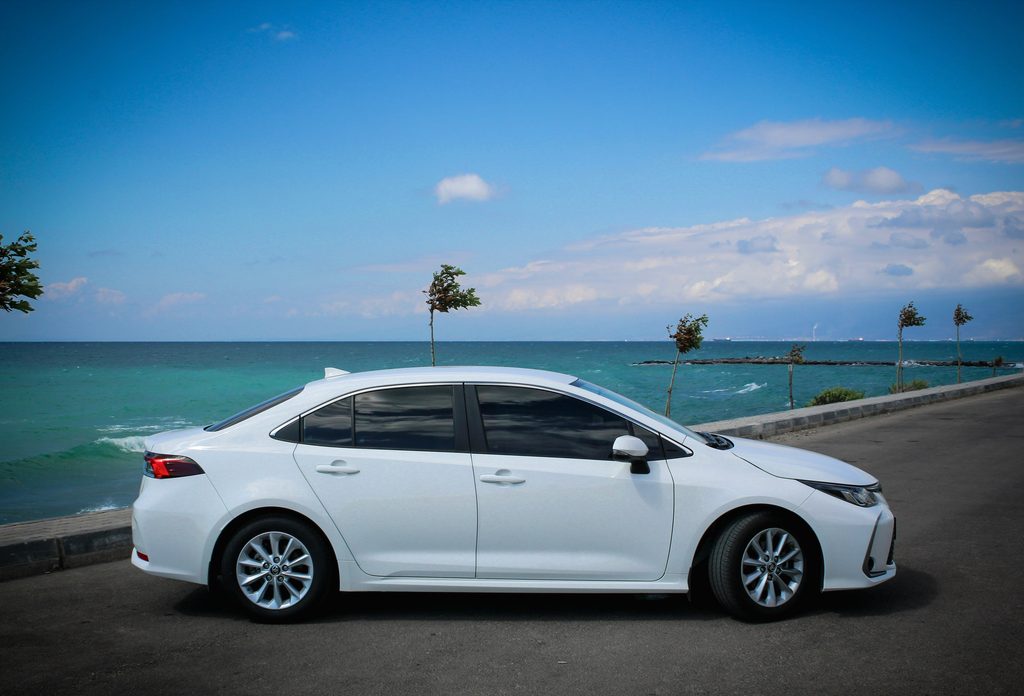
The Toyota Corolla earns its spot by being boring in the best way. It tends to start every morning, sip fuel, and ask for little in return. Parents often love that. Teens may not, but they will survive. Few cars match that quiet, dependable track record.
Newer Corollas generally include Toyota Safety Sense. This package adds automatic emergency braking (a system that brakes for you if it senses a crash coming). Used models from the mid-2010s often cost far less. Many still offer stability control and a rearview camera.
Repair costs tend to stay low. That helps when a teen learns the width of a garage door the hard way. Insurance rates for the Corolla usually land on the friendlier side. Call your agent with the vehicle identification number before you sign anything. Parts stay easy to find, and most mechanics know the car well. That familiarity often keeps labor bills down.
Look for: a clean maintenance record, even tire wear, and no signs of rough use. A well-kept Corolla can often run past 200,000 miles.
2. Honda Civic
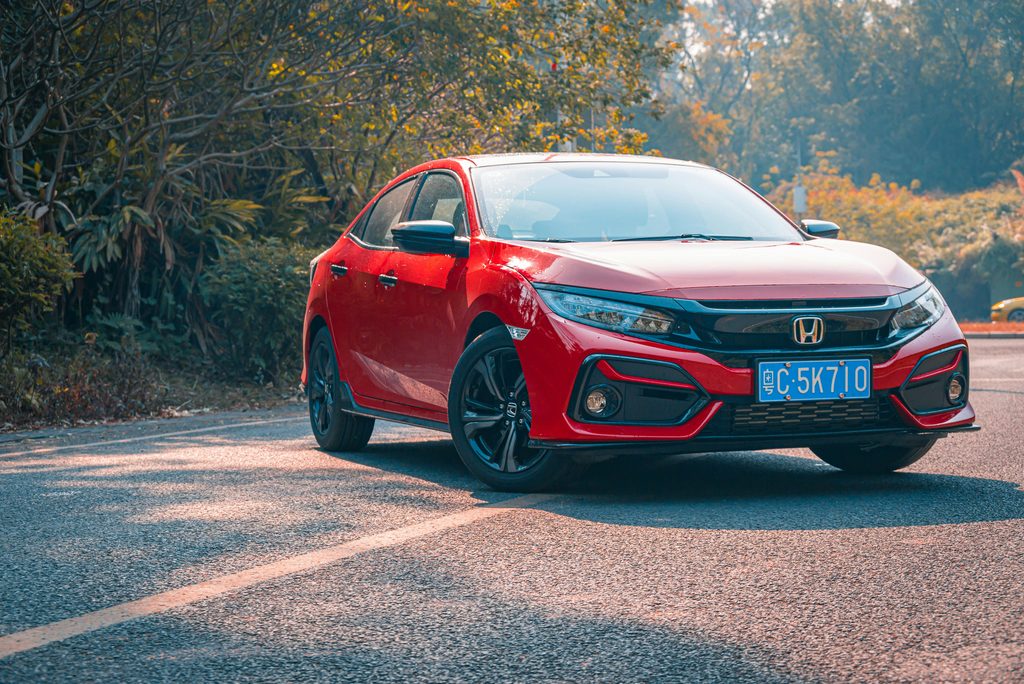
The Honda Civic has long been a favorite among families who want a sensible car that does not feel sensible. It drives smoothly and handles predictably. Those traits matter when a new driver needs to react quickly. The cabin feels roomy for a compact, and the controls tend to stay simple.
Recent Civics often earn strong crash-test marks. Many carry Honda Sensing, a suite of driver aids that includes lane-keeping help and adaptive cruise control. Used models tend to hold their value, so expect to pay a bit more than you would for some rivals. That premium often comes back at resale.
Skip the sporty trims for a first car. Sport versions can tempt a teen to drive faster than skill allows. A basic sedan gives your kid everything needed and costs less to insure. Your teen will still enjoy the drive. Ask the seller whether a previous owner modified the car.
Look for: a documented service history and original, unmodified parts. Avoid cars with aftermarket exhausts or lowered suspensions.
3. Mazda 3
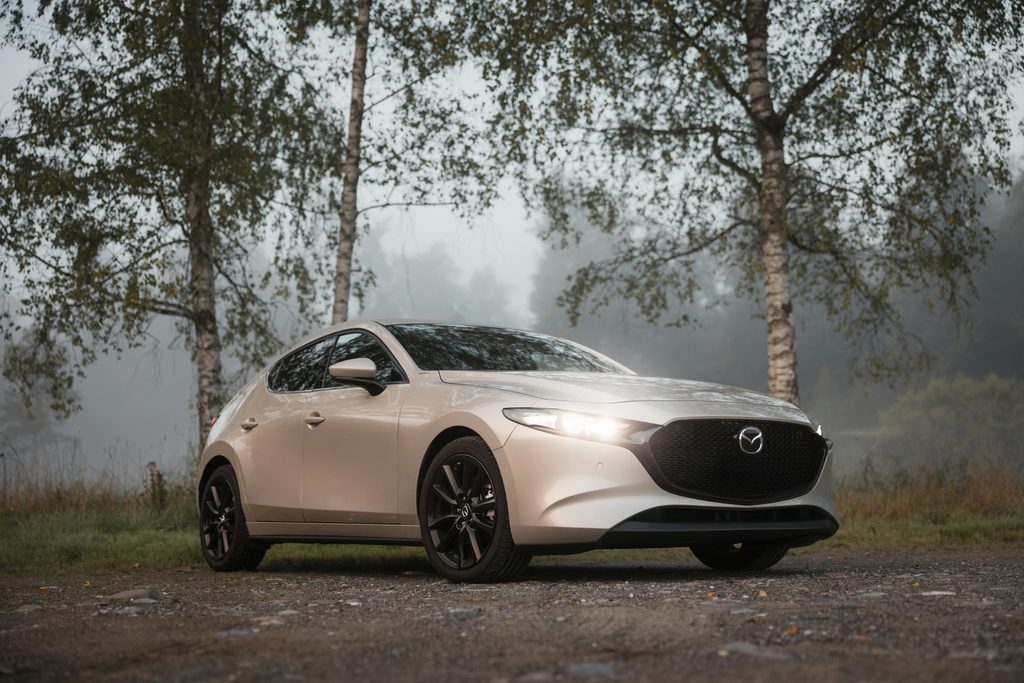
The Mazda 3 suits families who want a little fun without much risk. It feels solid on the road. The steering responds clearly, which helps a new driver learn how the car moves. Many owners praise the supportive seats on long drives.
Mazda tends to include safety equipment on even the base trims. Recent models often offer automatic emergency braking and blind-spot monitoring (a light that warns you when another car sits beside you). Many used examples earn top marks from the IIHS, although ratings vary by year.
Interiors feel more upscale than the price suggests. Your teen may even keep it clean. That claim comes with a generous “may.”
Skip the turbocharged versions, which add power a beginner rarely needs. Standard engines give plenty of pep for city streets and highway merges. Fuel economy stays respectable too. A quiet cabin also helps a new driver stay calm on the highway.
Look for: a well-kept interior and records of regular oil changes. Check that every dashboard warning light works.
4. Subaru Impreza
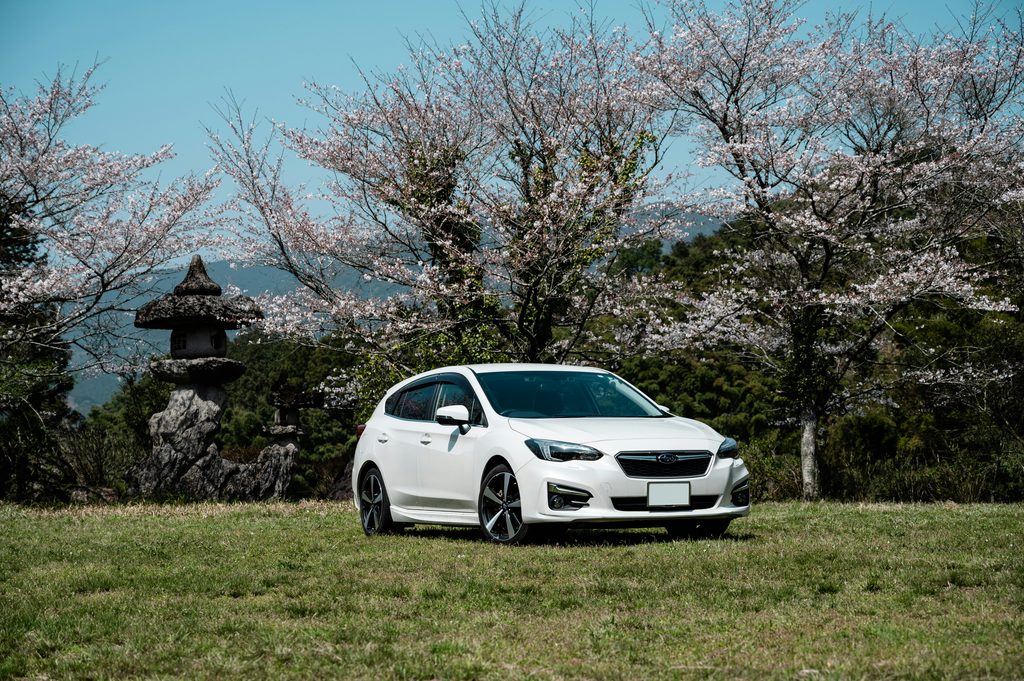
The Subaru Impreza makes a strong case for families in snowy or rainy regions. Standard all-wheel drive (power goes to all four wheels for better grip) helps the car hold the road in slick weather. It will not fix poor judgment, but it gives a teen more margin. Rain-soaked roads feel less scary with that extra grip.
Subaru has built a reputation around safety. Many recent Imprezas include EyeSight, a camera-based system that watches the road ahead. It can warn the driver and brake when needed. Visibility tends to be good thanks to large windows.
Fuel economy lands a little below front-drive rivals. Maintenance costs often run modest, though head gasket issues affected some older Subaru engines. Ask a mechanic to check any used model before you buy. Winter tires still matter, since even all-wheel drive struggles to stop on ice. Budget for a good set.
Look for: newer model years with the full safety suite. Confirm the tires match, because all-wheel-drive systems dislike mismatched rubber.
5. Hyundai Elantra
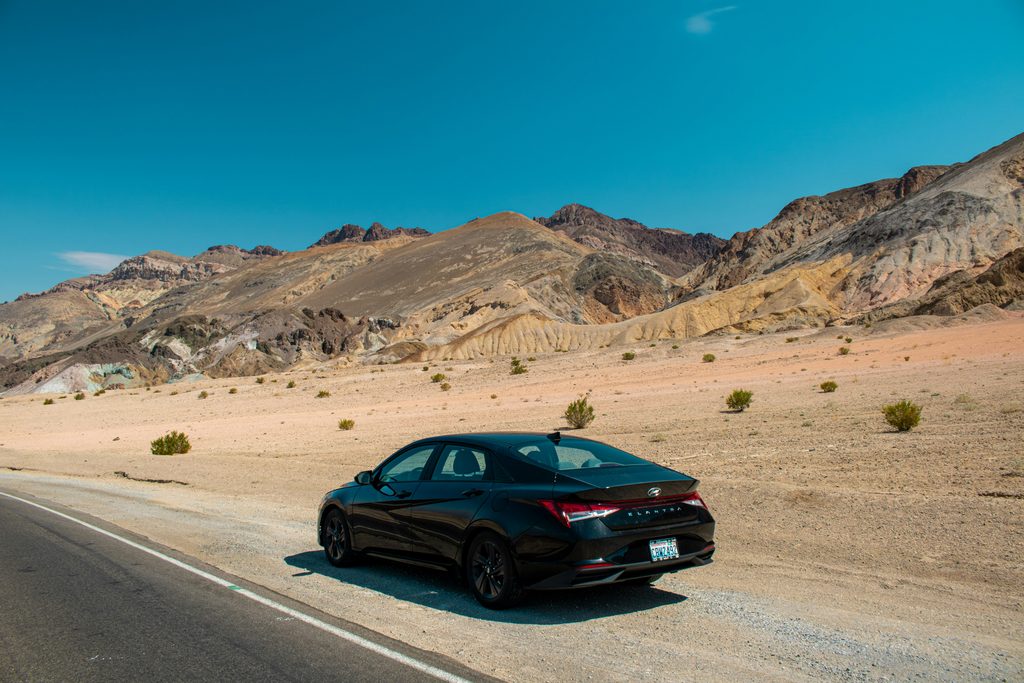
The Hyundai Elantra often rises to the top of cheap cars for teen drivers lists. It packs plenty of features into a low price. Recent models offer lane-keeping assist, automatic emergency braking, and a large touchscreen. Trim levels vary a lot, so compare equipment lists line by line.
Hyundai has improved its reliability and crash-test scores over the past decade. Used Elantras often sell for less than a comparable Corolla or Civic. That gap can free up money for insurance or a set of good tires. Many used examples come from lease returns, which often have tidy service records. Treat that as a plus, not a guarantee.
Warranty coverage deserves a close look. Hyundai has offered a long powertrain warranty on new cars. That coverage often shrinks for second owners, so read the fine print. A certified pre-owned car may restore some protection.
Look for: a clean vehicle history report and proof of recall repairs. Some older Hyundai engines drew recalls, so check the vehicle identification number on the manufacturer’s website.
6. Toyota Camry
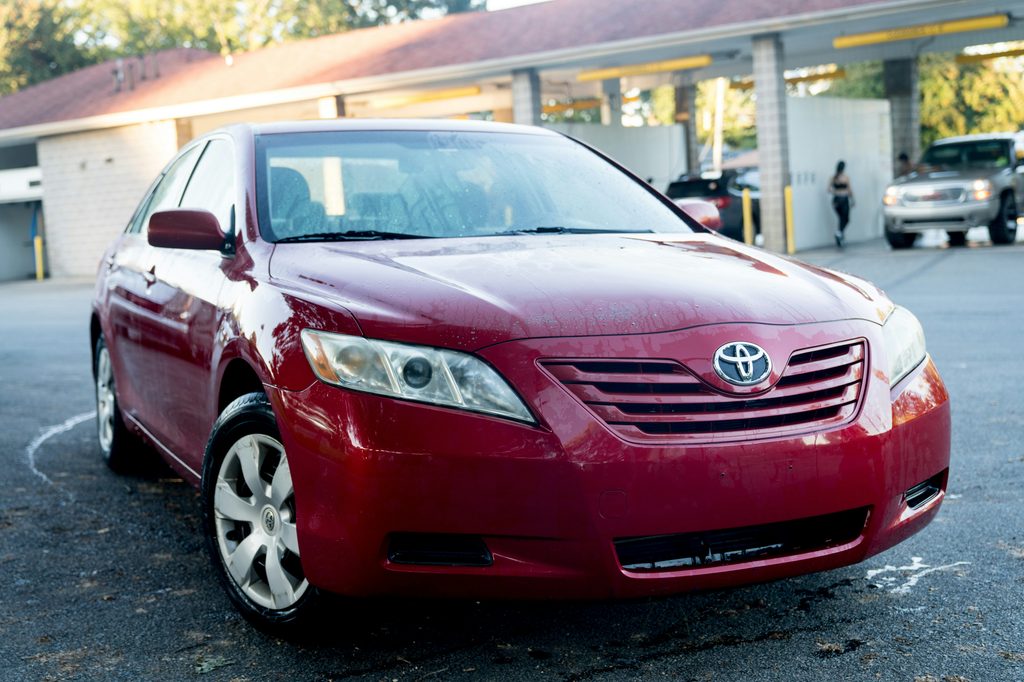
The Toyota Camry costs more than a compact. It also gives your teen more car around them. The larger body and longer wheelbase (the distance between the front and rear wheels) tend to feel stable at highway speeds.
Many parents like that logic. A bigger sedan often protects occupants better than a small one. The Camry also has a strong record for reliability. Used models from the mid-2010s often show up at fair prices.
Fuel costs run a bit higher than a compact, though the hybrid version softens that blow. Insurance often stays reasonable because the Camry appeals to older drivers. Thieves rarely target it either.
Parking takes more practice in a larger car. Plan a few empty-lot sessions before your teen tries a tight garage. A Camry also leaves room for passengers and groceries. Some parents keep it as the second family car afterward.
Look for: full service records and smooth shifting. Test the brakes on a long downhill stretch.
7. Honda CR-V
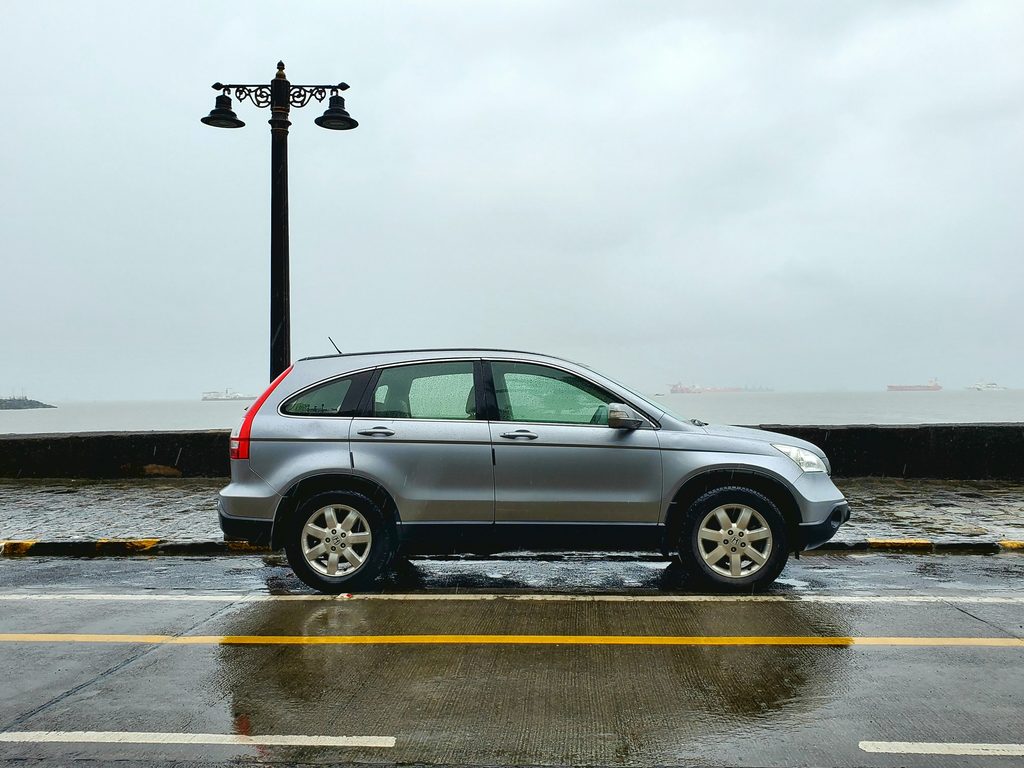
The Honda CR-V gives you a compact SUV without the tippy feel of some taller rivals. The seating position sits higher, so your teen can see more of the road. Many new drivers feel more confident from that view. The SUV body still handles like a car. The rear cargo area swallows sports gear and band equipment.
Honda has packed recent CR-Vs with driver aids. Lane-departure warnings and adaptive cruise control often come standard on newer trims. The cabin offers plenty of room for friends, though you may not want to encourage that. Studies generally link extra teen passengers to higher crash risk.
Used prices run higher than sedans of the same age. Fuel economy also trails. Still, the CR-V tends to hold its value well, and reliability usually ranks high.
Choose a front-drive model if your climate allows. It often costs less and weighs less. Weight differences can change braking distances slightly.
Look for: even tire wear and a quiet cabin. Check the air conditioning, because repairs can get pricey.
8. Subaru Forester
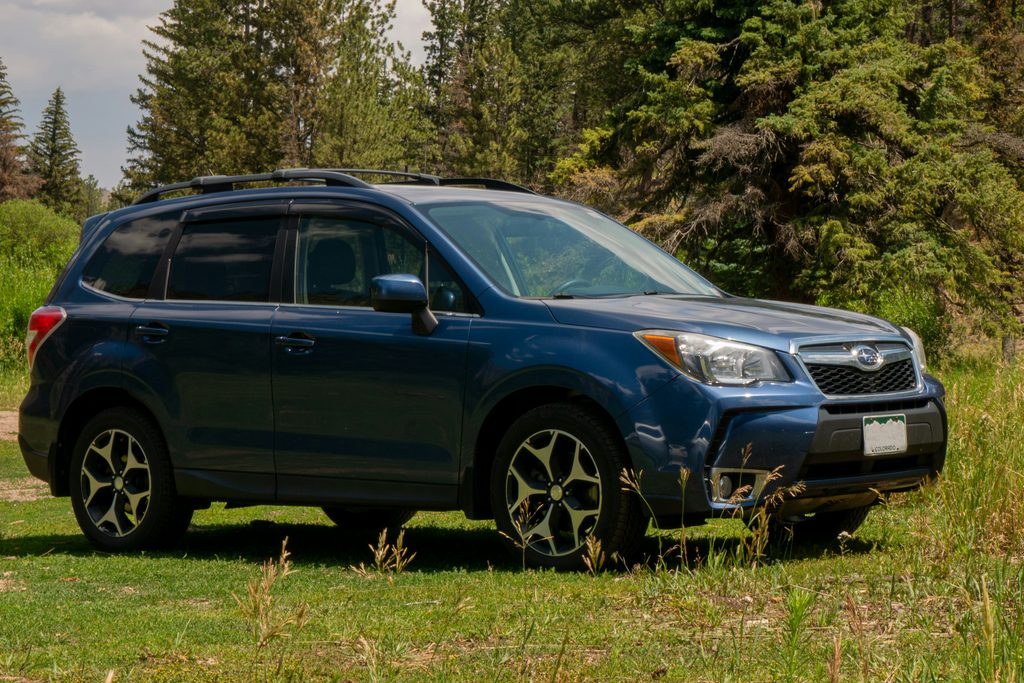
The Subaru Forester suits teens who commute on rough roads or in bad weather. Standard all-wheel drive and generous ground clearance help in snow and mud. The tall windows and thin roof pillars give an unusually clear view. Roof racks and cargo space suit teens with active hobbies.
IIHS has often rated recent Foresters well for crash protection. Subaru’s EyeSight system comes on most newer models. It can help a distracted teen stop in time. (Distraction remains a leading factor in teen crashes, so any extra help counts.)
Foresters usually cost more to buy than a compact sedan. They also use more fuel. The trade-off comes in capability and space, which many families value. Plan for slightly higher insurance and fuel bills than a sedan.
Have a mechanic inspect the engine and the all-wheel-drive system on any used model. Ask about the maintenance history of the continuously variable transmission, or CVT.
Look for: a car with regular fluid changes and no leaks underneath. Walk away from any model with a salvage title.
9. Kia Forte
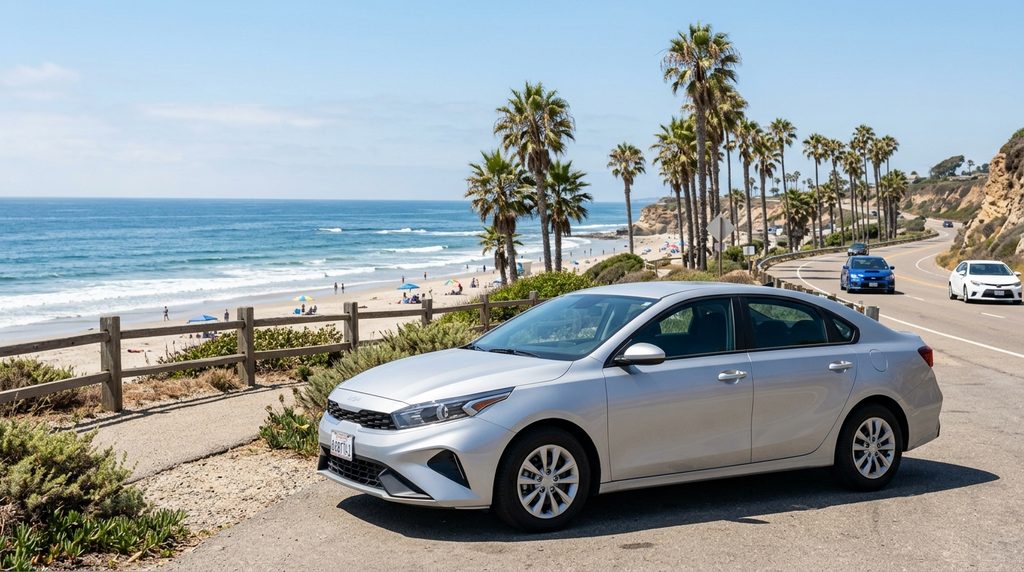
The Kia Forte rounds out the budget end of the list. It tends to cost less than most rivals, new or used. Many parents find that appealing when a teen may scratch the bumper in week one. Check the warranty terms, since coverage may vary for used cars.
Kia has improved the Forte’s safety record in recent years. Newer models often include forward collision warning and lane-keeping assist. Older ones may lack those extras, so check the specific year. The IIHS website lets you search by model and year.
Interiors feel roomy for the price. The infotainment screen works well with most phones. Your teen will probably approve. Simple controls keep distractions low.
Kia has faced theft issues with some older models that lack immobilizers (a chip that stops the engine from starting without the correct key). Ask your insurer about this before you buy. Steering-wheel locks can add protection.
Look for: proof that any theft-related software update or recall repair happened. Confirm the vehicle history report is clean.
10. Toyota Prius
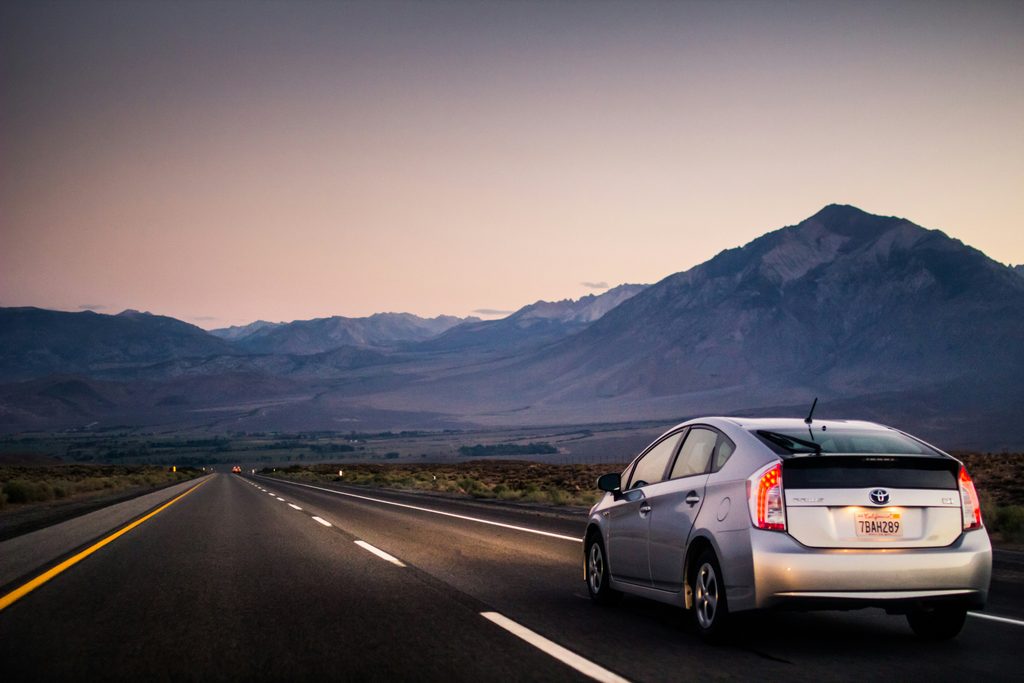
The Toyota Prius surprises many parents. It rarely makes a teen’s wish list. It does often make a parent’s budget list. Fuel costs drop sharply, which matters when your teen starts driving to work and school every day.
The Prius tends to earn solid safety scores. Newer models include Toyota Safety Sense, and the hybrid system often reduces brake wear. (A hybrid combines a gas engine with an electric motor to save fuel.) Reliability has a strong reputation.
Used Prius prices vary widely. Battery age matters most. Hybrid batteries often last many years, though a replacement can cost real money. Ask for a battery health check from a Toyota dealer or a trusted hybrid specialist.
The car’s modest power also suits beginners. Nobody races a Prius off a stoplight. Quiet electric operation also lowers stress on city streets. Rear visibility can feel limited, so practice backing up. Parents often value the low running costs most.
Look for: a documented battery check and full service records. Test every dashboard display, because screen repairs can add up.
Smart Buying Tips for Parents
A great car still needs a smart purchase. These four tips tend to save the most money and stress. None require special skills, only a bit of patience.
Tip 1: Check the safety ratings first. Search the model and year on the IIHS and National Highway Traffic Safety Administration (NHTSA) websites. Ratings change from year to year, so check the exact car on the lot.
Tip 2: Get an insurance quote before you buy. Teen premiums often run high. Two cars with similar prices can carry very different rates. Call your agent with the vehicle identification number and ask about discounts for good grades or driver education.
Tip 3: Pay for a pre-purchase inspection. An independent mechanic can look over a used car for roughly the cost of a nice dinner. That check often finds hidden problems. It also gives you leverage to negotiate.
Tip 4: Set a budget that includes the extras. Plan for insurance, fuel, tires, and routine repairs. Many families set aside a small repair fund as well. A cheap car with surprise bills may cost more than a pricier, reliable one.
Quick Recap
Choosing among the best cars for teen drivers feels easier once you know your priorities. Here are the main points to carry with you:
- Safety leads. Look for stability control, a rearview camera, and automatic emergency braking where possible.
- Size helps. Compact and mid-size cars generally protect better than tiny ones.
- Skip the power. Choose base trims over sporty or turbocharged versions.
- Used can work. The best used cars for teenagers often include Corollas, Civics, and Mazda3s from the mid-2010s onward.
- Budget wisely. Cheap cars for teen drivers, like the Elantra and Forte, can free up money for insurance and tires.
- Check every car. Review crash-test ratings, vehicle history reports, and insurance quotes before you sign.
- Inspect before you buy. A mechanic’s review often costs less than one surprise repair.
No car makes a new driver perfect. Good habits, steady practice, and a parent who stays involved matter just as much. Pick a solid car, set clear rules, and breathe. You have done the research, and your teen is lucky to have you in the passenger seat.