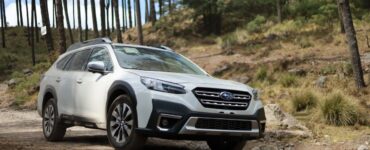
The Subaru Forester Hybrid is the best hybrid SUV for winter driving. All-wheel drive is standard on every trim, ground clearance starts at 8.7 inches, and 2027 prices run $34,730–$41,545. The Toyota RAV4 Plug-in Hybrid is my pick if you have a garage outlet to plug into. The Kia Sportage Hybrid is the one I would cross off.
Published November 17, 2026.
Winters in New England mean nor’easters, and the first big one of the season always finds the thing you put off in October. I have spent years getting a house and a car ready for it. A few ski weekends in Vermont and New Hampshire taught me to look at the steepest part of the driveway before I look at the badge on the hood.
Hybrids add a twist that gas-only SUVs do not have. The cold hits their fuel economy harder, and the all-wheel drive underneath works in a different way from model to model. Electric and plug-in SUVs have held my attention for a long time, and the spec sheet hides both facts. So this list is about how each hybrid behaves when the road is white and the thermometer is low.
Best hybrid SUVs for snow and ice at a glance
| Model | MSRP | All-wheel drive | Winter number to know |
|---|---|---|---|
| Subaru Forester Hybrid (2027) | $34,730–$41,545 | Symmetrical AWD, standard | 8.7 in. minimum clearance, 9.3 in. on Wilderness |
| Toyota RAV4 Hybrid (2026) | About $31,900 to start (front-drive; AWD costs more) | Dedicated rear electric motor | 8.1 in. clearance, 8.5 in. on Woodland |
| Toyota RAV4 Plug-in Hybrid (2026) | $41,500–$48,500 | Rear electric motor system | 52 miles of electric range on SE and XSE |
| Mitsubishi Outlander PHEV (2026) | About $43,245 to start | Super All Wheel Control | Up to 45 miles of electric range |
| Hyundai Tucson Hybrid (2026) | About $31,300 to start | HTRAC AWD | 36–38 mpg combined with AWD |
| Kia Sportage Hybrid (2027) | $30,590–$40,690 | Active AWD with Terrain Mode | 35 mpg combined with AWD, 41 front-drive |
Prices are approximate, current as of publication, and change frequently — confirm the latest price with the retailer before buying.
How hybrid all-wheel drive works in snow
Two designs matter on a slick road. Some hybrids send power to the rear wheels with a shaft from the engine side, the way a traditional AWD car does. Others put a small electric motor on the rear axle and skip the shaft. Toyota describes its RAV4 Hybrid AWD as a dedicated rear electric motor that powers the Electronic On-Demand system, and that motor helps cut front-wheel slip when you pull away from a stop.
In plain terms, the rear-motor design reacts in a blink and costs less in weight and fuel. A shaft-driven design tends to feel more planted on a long, hard climb. Neither design wins everywhere. My rule: for plowed commutes either design is fine, and for unplowed hills with a steep driveway I lean toward the one built around standard AWD and more clearance.
Tires matter more than the badge on the back. The winter tires versus all-season breakdown lays out when rubber beats any drivetrain, and that holds for hybrids as much as anything else.
How much does cold weather cut hybrid mpg?
Quite a bit. Take a hybrid from a 77°F day to a 20°F one and its city mileage can sink by roughly a third, per the federal cold-weather fuel economy page. A regular gas car loses closer to 15 percent. Short trips are worse, with typical hybrid losses of 25 to 45 percent.
A 30 percent drop turns a 42 mpg rating into roughly 29, so treat the sticker as a summer number. Park in a garage if you have one, combine errands so the engine stays warm, and use the seat heaters before you crank the cabin heat.
Heated seats, tire pressure and other cold-weather habits
A few habits claw back mileage in every hybrid on this list. Fueleconomy.gov says most makers suggest driving off gently after about 30 seconds, since an idling car gets zero miles per gallon and warms up more slowly than a moving one. Cold air also lowers tire pressure, which raises rolling resistance, so check the gauge on the first frosty morning and again after a big temperature swing.
Two more are easy. Take the roof rack or cargo box off when you are not hauling skis, because the wind drag costs fuel all winter. And use the oil grade the manual calls for in cold weather. None of this makes a hybrid sip fuel in January, but it keeps the loss closer to the low end of the range.
Heated features deserve a look on the window sticker. A heated seat or steering wheel keeps you comfortable at a lower cabin temperature, and that helps a plug-in most. I would rank them above a panoramic roof in any winter shopping list, since you will use them every cold morning and the roof only gets you more glass to scrape.
Best hybrid SUV for winter driving: the picks
Subaru Forester Hybrid: the winner
This is the one I would hand to a friend who lives at the end of an unplowed road. There is no front-drive base model to be talked into, because Subaru says Symmetrical All-Wheel Drive is standard on every 2027 trim. Clearance starts at 8.7 inches, and the Wilderness Hybrid rises to 9.3 at $40,495. That is the extra inch you notice when a plow leaves a ridge across the end of the driveway.
Subaru also quotes up to 597 miles on a tank in its 2027 pricing release, which means fewer cold fill-ups with numb fingers. Check the EPA label for the trim you want before you sign.
Best for: rural drivers, ski-weekend runs and anyone who wants AWD with no option boxes to tick. Skip it if: you want a plug-in, because this one does not charge from the wall.
Toyota RAV4 Plug-in Hybrid: the pick if you have a garage outlet
This is the one I would choose for a short commute and a garage outlet. Toyota rates the SE and XSE at up to 52 miles of electric range, and the SE at up to 40 mpg combined. Winter will cut that range, and the EPA figure I read covers EVs only, not plug-ins, so I will not pretend to know the exact loss. Warm the cabin while it is still plugged in and you keep more of those miles.
Best for: people with a charger and a daily drive under 30 miles. Skip it if: you park on the street and cannot plug in, because then you carry a heavy battery for nothing. Toyota’s price sheet is worth a look before you shop.
Toyota RAV4 Hybrid: the easy default
About $31,900 gets you in, and Toyota rates AWD versions at 42 mpg combined on the LE, which is hard to beat on paper. The Woodland trim adds clearance, up to 8.5 inches against 8.1 on the others, though it drops to 38 mpg. The rear motor helps when the front tires spin, but the base clearance is average for the class.
Best for: commuters on plowed roads who care about fuel cost. Skip it if: your street is the last one plowed. The cheapest price is front-drive, so confirm AWD before you buy. It also tops my best SUV for road trips ranking, if long highway miles are your plan.
Mitsubishi Outlander PHEV: the winter specialist with a price
The Outlander PHEV is the most expensive here at about $43,245 to start, and the electric range tops out at up to 45 miles, a bit below the Toyota. What you buy is Super All Wheel Control, which Mitsubishi says adds Active Yaw Control. It lists 73 MPGe combined.
Best for: someone who wants a plug-in and will pay for the extra traction tech. Skip it if: the price is your first filter.
Hyundai Tucson Hybrid: the sensible middle
Starting at about $31,300, with Hyundai listing HTRAC all-wheel drive on the SE, SEL and Limited trims, and 36 to 38 mpg combined. KBB lists 8.3 inches of clearance on all four trims, a hair more than the RAV4. That, plus the price, makes it a fair deal.
Best for: families who want a step down in price without giving up AWD. Skip it if: you need the most clearance you can get.
Kia Sportage Hybrid: the one I would skip
The headline mpg is the trap. Kia lists 41 combined for front-drive and 35 for AWD on its Sportage Hybrid page, a six-mpg gap, and the $30,590 start is the front-drive version. Add the Terrain Mode AWD and you pay for it at the pump. Kia’s snow, mud and sand modes are handy, but the Forester comes with AWD and 8.7 inches of clearance as standard, and its base price is about $4,100 above the front-drive Sportage.
Best for: shoppers in mild snow zones. Skip it if: your winter is long, because the AWD penalty is real.
Plug-in hybrids in cold weather: worth it?
They are worth it in one case: you can plug in every night. A cold battery gives fewer miles, and cabin heat is the biggest drain, so warm the car while it is still on the charger. For a plug-in hybrid, the engine takes over, but you burn gas sooner than the label suggests.
If your winter driving is mostly short hops, a plug-in can run on wall power most days. If you drive 80 miles a day, a regular hybrid gives you the same result for less money.
Quick driveway test: which hybrid AWD fits you?
Run these four questions before a test drive. The first yes you hit decides the pick.
- Is your driveway or road steep, unplowed or rutted? Put standard AWD and clearance first. That points to the Forester.
- Can you plug in at home every night and drive under 30 miles a day? Look at the RAV4 Plug-in or the Outlander. If you cannot plug in, cross both off.
- Do you make mostly short trips of a few miles? Expect the steepest mpg drop, so lean plug-in or accept lower numbers.
- Do you park outside? Seat heaters warm you for less energy than the cabin heater, says fueleconomy.gov, so ask for them on any trim.
No yes at all means your winter is mild, and the Tucson or RAV4 Hybrid will do the job.
Which hybrid SUV should you pick?
Buy the Forester Hybrid if winter is hard where you live, and the RAV4 Plug-in Hybrid if your driveway has an outlet. The Tucson Hybrid is the budget-minded middle, and the Sportage Hybrid is the one to skip for snow country. If you want a wider field that includes gas-only models, the best cars for winter driving and best SUV for snow and ice lists cover them.
Whichever you choose, shop in daylight and drive it on the worst hill near you. A short drive on a hill tells you more than another page of specs.
Frequently asked questions about hybrid SUVs in winter
Do hybrids lose more mpg in cold weather than gas cars?
Yes. Around town at 20°F a hybrid can give up around a third of its mileage, roughly twice what a gas car loses. I would plan for it and not be shocked at the pump in January.
Is a plug-in hybrid a good idea in a cold climate?
It is if you can charge overnight. The gas engine is your backup when the cold shrinks the battery range, so you will not get stranded. If you cannot plug in, I would pick a regular hybrid.
Do I need winter tires on an AWD hybrid SUV?
I would still buy them. AWD helps you go, not stop, and tires are what grip the road when you brake or turn. They are the cheapest safety upgrade you can make.
How much ground clearance do I need for snow?
I would want 8 inches or more if your road gets plowed badly. The Forester starts at 8.7, which gives you room over a plow ridge. In flat suburbs the lower numbers are fine.