
The Hyundai Elantra Hybrid is the cost winner in gas vs hybrid vs electric cars for most drivers. It costs about $2,800 more than the gas Elantra. Fuel savings earn that back in roughly five to eight years. The Ioniq 5 electric pays off only with home charging and cheap power. Skip it if you park on the street.
Published November 18, 2026.
Running costs are the first line I read on any car, well before the horsepower. Cheaper electric models have held my attention for years. So I ran the numbers on one maker’s three versions of the same idea, side by side. Hyundai sells a gas Elantra, an Elantra Hybrid and the electric Ioniq 5, which makes it a tidy trio.
One caution first. The Ioniq 5 is a small SUV and the Elantra is a sedan. The electric one is not a perfect twin. Hyundai’s Elantra page lists 2026 trims, while its Ioniq 5 page lists the 2027 model. I used EPA’s 2026 ratings for all three.
Gas vs hybrid vs electric cars: the cost table
| Gas Elantra | Elantra Hybrid | Ioniq 5 (electric) | |
|---|---|---|---|
| Maker’s starting price, by trim | $22,825–$29,600 | $25,650–$30,000 | $35,250–$46,525 |
| EPA combined rating | 34–35 mpg (SE to Limited) | 50–54 mpg | 29–32 kWh per 100 miles |
| Energy used in 15,000 miles | 429–441 gallons | 278–300 gallons | 4,350–4,750 kWh |
| Energy cost per year | $1,191–$1,985 | $772–$1,350 | $566–$1,093 |
| Effect of 20°F weather | Mileage down about 15% | Mileage down about 30–34% | Range down about 41% with the heater on |
Prices are approximate, current as of publication, and change frequently — confirm the latest price with the retailer before buying.
The yearly energy rows are ranges because the inputs swing. For gas I used the lowest and highest weekly U.S. prices logged in 2026, $2.78 and $4.50 a gallon. For power I used 13 and 23 cents per kilowatt-hour. That is the spread between North Dakota and Michigan in the August 2026 residential rates. Each end pairs the best rating with the cheapest fuel, or the worst with the dearest.
Winter is where I stop trusting a spec sheet. Midwest cold is long and not kind to a battery or a fuel gauge. A number measured at 77 degrees tells you little in January. Keep reading for how much it changes the answer.
Is a hybrid cheaper than gas?
Yes, and by a margin that surprises people who expect a catch. The hybrid costs about $2,825 more at the bottom of each lineup, and $2,625 more at the Limited trim. The national average today is $3.82 a gallon. At that price the 50 mpg hybrid saves about $491 a year over the 35 mpg gas car. That gives roughly a six-year payback.
Run it on both ends of the gas price range. Payback runs from about five years at $4.50 to about eight at $2.78. Keep the car a decade and that is a clear win. If you trade every three, it is a loss.
The hybrid has a second quiet advantage. The Energy Department says hybrids need maintenance similar to a gas car because they still have an engine. Their brakes generally last longer. Nothing here needs a new habit or a new plug. You fill up and go.
Best for: commuters, families with one car, and anyone who drives 12,000 miles or more. Skip it if: you drive under 8,000 miles a year. The saving drops to about $260 and the payback passes ten years.
Electric car cost per mile vs gas
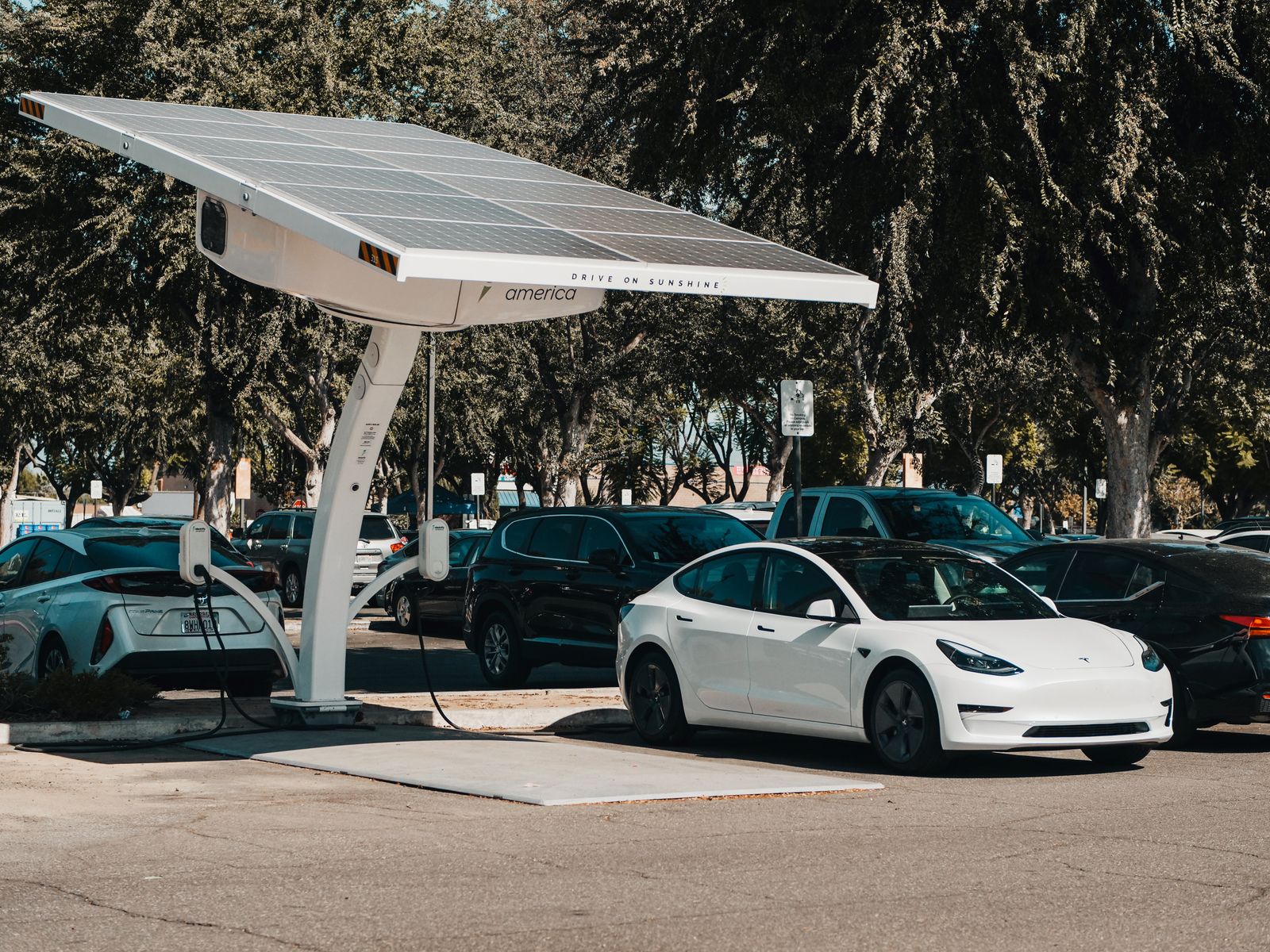
Fuel is where the electric car looks best. EPA rates the Ioniq 5 RWD at 30 kWh per 100 miles. The national residential power price is 18.16 cents. Together that makes about $817 in electricity for 15,000 miles. The gas Elantra costs $1,637 at today’s pump price. That is about 5 cents a mile against 11.
Now the catch. The Ioniq 5 lists at $35,250 to $46,525, against $22,825 for the cheapest gas Elantra. The $820 yearly saving does not close that gap fast. On my math it takes about nine years in the best case, with gas at $4.50 and power at 13 cents. In the worst case it never does. Part of that gap is the SUV body, not the battery.
AAA’s 2026 Your Driving Costs study puts it more bluntly. Charging runs 66% to 70% lower than gas. But higher depreciation, fees and finance charges usually eat the saving. A medium-sedan EV costs 29.1% more a year to own. I would not argue with that for a buyer who has to finance the full price.
The electric car does have a real maintenance edge. DOE says EVs need less maintenance than conventional vehicles, with fewer fluids and much less brake wear from regenerative braking. It also warns that an out-of-warranty battery replacement is expected to be a significant expense. Many makers cover batteries for eight years or 100,000 miles.
Best for: a household with a garage or driveway outlet, short daily drives and a second car for long trips. Skip it if: you charge in public most of the time. My math assumes home rates, so paying public prices changes the answer.
What winter does to each one
The federal cold-weather fuel economy page is the figure I trust here. At 20°F in city driving, gas cars lose about 15% of their mileage. Hybrids lose about 30% to 34%, and EVs about 39%. EV range falls 41% when the cabin heater runs. About two-thirds of the extra EV energy goes to heating the cabin.
Apply those averages and the 50 mpg hybrid drops to roughly 33 to 35 mpg. That is still ahead of a gas car at about 30. A 318-mile Ioniq 5 would drop to about 188 miles of winter range. That is my own arithmetic on an average, not a rating for this model. It is still the number I would plan around before a January road trip.
Shopping in a cold state? Read the picks for the best cars for winter driving and budget for tires too.
Gas vs hybrid vs electric calculator
This is the part to keep. You need six numbers, and all are easy to find. Get your yearly miles, the car’s mpg or kWh per 100 miles from fueleconomy.gov, your local gas price, your power rate off your bill, the price gap between the two cars, and a maintenance quote.
- Gas or hybrid energy cost = miles per year ÷ mpg × price per gallon.
- Electric energy cost = miles per year ÷ 100 × kWh per 100 miles × price per kWh.
- Yearly saving = the gas car’s energy cost minus the other car’s energy cost.
- Payback in years = price difference ÷ yearly saving.
- Compare the payback with how many years you keep a car. If it is longer, take the cheaper car.
Here is a worked example for 15,000 miles a year. It uses $3.82 a gallon and 18.16 cents per kWh.
| Step | Gas Elantra (35 mpg) | Elantra Hybrid (50 mpg) | Ioniq 5 RWD (30 kWh/100 mi) |
|---|---|---|---|
| Energy cost per year | 15,000 ÷ 35 × $3.82 = $1,637 | 15,000 ÷ 50 × $3.82 = $1,146 | 150 × 30 × $0.1816 = $817 |
| Yearly saving vs gas | none | $491 | $820 |
| Price gap, base trims | none | $2,825 | $12,425 |
| Payback | none | about 6 years | about 15 years |
AAA’s 2026 study puts maintenance, repairs and tires at 11.10 to 11.42 cents a mile for a small or medium gas sedan. That is about $1,665 to $1,713 for 15,000 miles. It does not break out hybrids or EVs, so ask a shop or dealer for quotes. Insurance works the same way. AAA’s gas-car classes run $1,623 to $2,469 a year for full coverage, and your own quote will differ.
One more thing worth checking. The federal new clean vehicle credit is gone. The IRS says it is not available for vehicles acquired after Sept. 30, 2025, so do not count on $7,500 off the Ioniq 5. Ask about state and utility offers instead.
Which is better, hybrid or electric car?
My call is the hybrid. It wins on fuel, it wins on the price gap, and it does not care where you park. Shopping for one? The best hybrid cars for commuting list is the place to start. The used electric cars roundup is for anyone tempted by the plug but not the sticker.
The gas Elantra is the right pick if you drive little or want the lowest price today. It loses the long game on fuel. Best for: drivers under 8,000 miles a year and short-term owners. Skip it if: you drive 12,000 miles or more and keep cars past five years. I would skip the electric Ioniq 5 if you finance it, drive a modest distance and charge away from home. Shopping this month? My notes on Black Friday car deals cover comparing the total instead of the monthly payment.
Disagree? Put your own miles and prices into the formula. The winner often changes when the inputs do, and that is the point of running it.
Frequently asked questions about gas vs hybrid vs electric cars
Which costs less to own, a hybrid or an electric car?
For most people it is the hybrid, because its lower price keeps the total down. AAA’s 2026 study found hybrids cost less per year than comparable gas models in several classes. Medium-sedan EVs cost more. An EV can still win if you have cheap home power and keep it a decade.
Do electric cars lose range in winter?
Yes. Fueleconomy.gov says an EV’s range falls about 41% at 20°F with the heater on. I would plan trips around the winter number, not the sticker.
Is it worth paying more for a hybrid?
It is if you keep the car past its payback. In my Elantra math that was about five to eight years. Drive under 8,000 miles a year, or sell within three years? Buy the gas model and bank the difference.
Can I still get the federal EV tax credit?
No. The IRS says the new clean vehicle credit is not available for vehicles acquired after Sept. 30, 2025. I would price any electric car as if the credit does not exist. Treat state or utility rebates as a bonus.
General information only; this is not financial advice.